How To Get More Results With Your Telc B1 Certificate
Attaining Proficiency with the Telc B1 Certificate: An Action Towards Language Self-confidence In an increasingly interconnected world, language proficiency has become more than just a skill— it's a bridge to new opportunities, cultures, and professional development. One important accreditation for language students intending to strengthen their intermediate proficiency is the Telc B1 certificate. Whether for academic, individual, or expert functions, acquiring a Telc B1 certificate is a substantial turning point in language knowing. What is the Telc B1 Certificate? Telc, short for “The European Language Certificates,” is a well-respected organization offering standardized language exams that are based upon the Common European Framework of Reference for Languages (CEFR). The CEFR is a framework used across Europe and beyond to examine and specify language efficiency levels, ranging from A1 (beginner) to C2 (skilled). The Telc B1 exam corresponds to an intermediate level of language capability. The Telc B1 certificate shows that the candidate has actually accomplished a useful and functional level of intermediate language proficiency. At this level, the learner can: Comprehend the bottom lines of clear, standard-language texts on familiar topics, such as work, school, leisure, or travel. Manage most circumstances that might develop while taking a trip or interacting in environments where the language is spoken. Describe experiences, occasions, or individual objectives and supply short descriptions for viewpoints or plans. 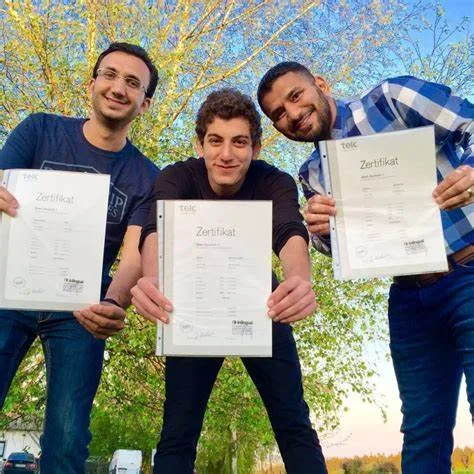 Who Should Take the Telc B1 Exam? The Telc B1 exam is designed for individuals looking to certify their language skills for numerous goals, including: Visa Applications and Residency: Many countries require language accreditation, such as Telc B1, for visa, citizenship, or permanent residency purposes. Employment Opportunities: Employers frequently look for evidence of language efficiency when employing prospects for international functions, particularly in customer care, tourist, education, or health care fields. Personal Development: For numerous learners, pursuing the Telc B1 is a way to benchmark their progress and gain confidence in their language abilities. Educational Goals: Some scholastic institutions acknowledge the Telc B1 certificate as an admission requirement or as proof of a student's capability to be successful in an instructional setting. The Structure of the Telc B1 Exam The exam assesses 4 necessary language skills— listening, reading, writing, and speaking— and is divided into two parts: Written Examination (2 hours 30 minutes):. Listening Comprehension: Tests the ability to comprehend spoken language in numerous daily contexts. Checking Out Comprehension: Assesses understanding of various texts, such as news short articles, advertisements, or educational materials. Written Expression: Requires candidates to write a letter or express ideas plainly on familiar subjects. Oral Examination (15 minutes):. Conducted in pairs or with an inspector, this section tests conversational skills. Prospects are asked to present themselves, take part in dialogue, and express opinions or preferences on offered topics. How to Prepare for the Telc B1 Exam. Preparing for the Telc B1 exam requires a combination of structured research study and practical language usage. Here are some suggestions for successful preparation:. Comprehend the Requirements: Familiarize yourself with the format of the exam and the types of tasks involved. Research study guides and sample tests provided by Telc can be indispensable. Develop sprachzertifikat b1 and Grammar: Focus on expanding your vocabulary around daily subjects and enhancing your grasp of grammar structures such as tenses, prepositions, and sentence company. Practice Active Communication: Engage in speaking and composing exercises. Mimic conversations with a language partner, compose short essays, or role-play real-life situations. Take In Diverse Materials: Listen to podcasts, watch videos, and check out short articles or books in the target language. This assists expose you to different vocabulary and language structures. Join a Language Course: Many language schools and organizations use courses specifically designed to prepare students for the Telc exams. Benefits of Obtaining the Telc B1 Certificate. Successfully earning the Telc B1 certificate unlocks to numerous opportunities. It enhances a student's self-confidence to utilize the language in real-world circumstances, improves employability, and supplies a recognized credential that can be provided to companies, migration authorities, or universities. Additionally, attaining B1 proficiency signifies an essential achievement in your language-learning journey, encouraging additional development. Conclusion. The Telc B1 certificate is an entrance to showing your functional language abilities, whether for personal or expert purposes. With thorough preparation, a clear understanding of the exam structure, and consistent practice, you can achieve this important benchmark in your language-learning journey. For those seeking to interact with confidence in a new language, the Telc B1 accreditation is an important step forward to opening a world of opportunities.